Home · Services · Structural Drying
Structural Drying in Plainfield, IL
Quick answer
Structural Drying in Plainfield starts where the record points: homes here are village center farm era homes, prairie subdivisions, and corridor townhomes, and flat grade storm water at foundations, early sump burnout, and shared wall basement moisture drive the call pattern. The scope for the Prairie Subdivision Sections side of the service area is written from that read, in that order.
Structural Drying in Plainfield starts with the local read: farm era homes near the historic village center, fast built subdivisions across the prairie sections, townhome stock along the commuter corridors, and newer homes toward the river side edges. The DuPage River side of the service area and the city's cold winters, humid summers, and heavy spring storm seasons on the prairie set the order of work, and the scope names that order in writing before anyone commits to a price.
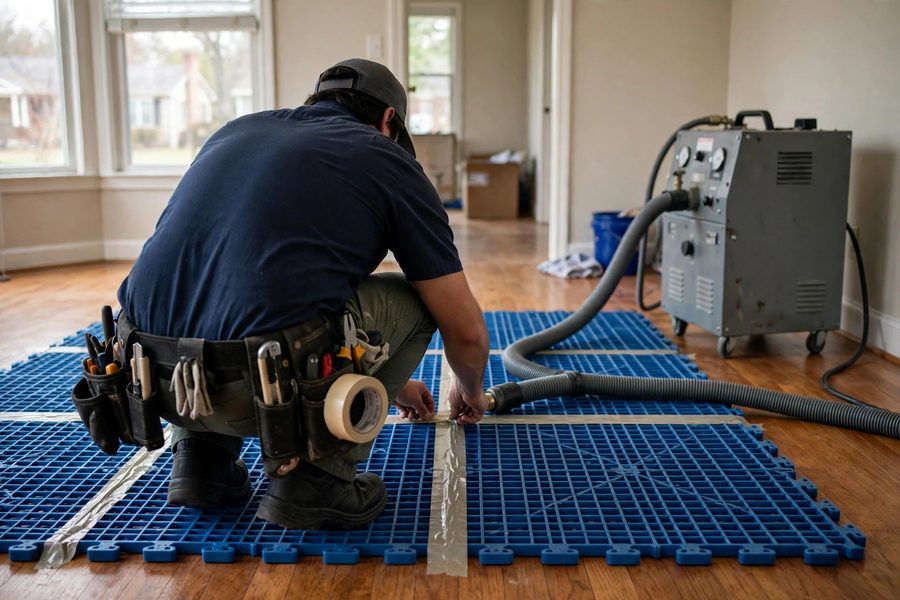
How we approach this job
Diagnosis and insurance documentation: For structural drying in Plainfield, the buying situation is a problem with a cause: find the real source, document it with photographs and readings for any claim, and only then price the fix.
Signs you need structural drying
- Flooring installers refusing to lay new floor over a damp subfloor. It usually means pulling equipment early is how a drying job becomes a mold job.
- An insurer or adjuster asking for drying documentation. It usually means readings are the currency: moisture logs and equipment records are what drying gets paid on.
- A prior water event where floors or walls still read wet on a meter. It usually means assemblies hold water longer than surfaces admit.
- Musty odor weeks after a leak was 'fixed'. It usually means equipment days should be decided by daily readings, and the log is the proof.
What the job involves
What affects the price
- Materials involved (hardwood over crawl space dries slower than carpet over slab)
- Starting moisture content and how deep it penetrated
- Equipment days to dry standard
- Whether selective demolition is needed to reach wet cavities
When it is an emergency
Drying is rarely the emergency itself, but the clock matters: the longer framing stays above dry standard, the higher the mold and rot risk. If a leak happened this week, this week is when drying should start.
PLACEHOLDERStructural Drying across the Plainfield area
Related services
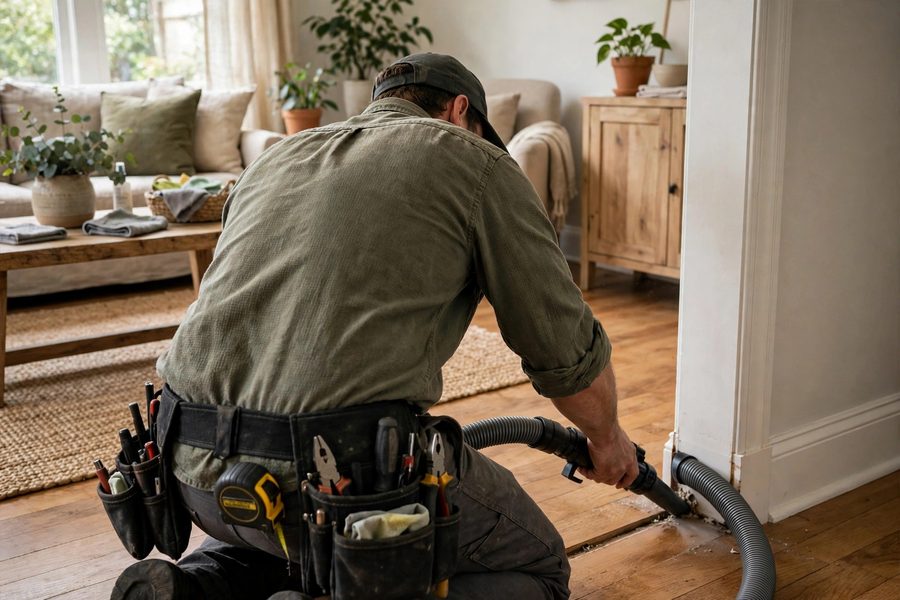
Emergency Water Removal
Emergency Water Removal in Plainfield starts where the record points: homes here are village center farm era homes, prairie subdivisions, and corridor townhomes, and flat grade storm water at foundations, early sump burnout, and shared wall basement moisture drive the call pattern. The scope for the Village Center Sections side of the service area is written from that read, in that order.
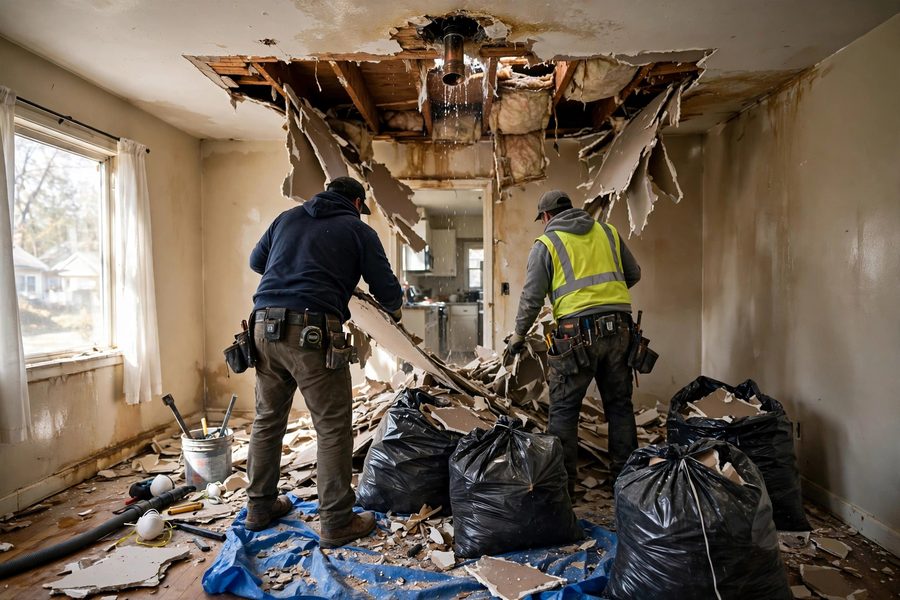
Burst Pipe Water Cleanup
The Plainfield read on burst Pipe Water Cleanup runs through the local stock first: farm era homes near the historic village center, fast built subdivisions across the prairie sections, townhome stock along the commuter corridors, and newer homes toward the river side edges. With cold winters, humid summers, and heavy spring storm seasons on the prairie, the order of work is set before price, and the written scope names that order.
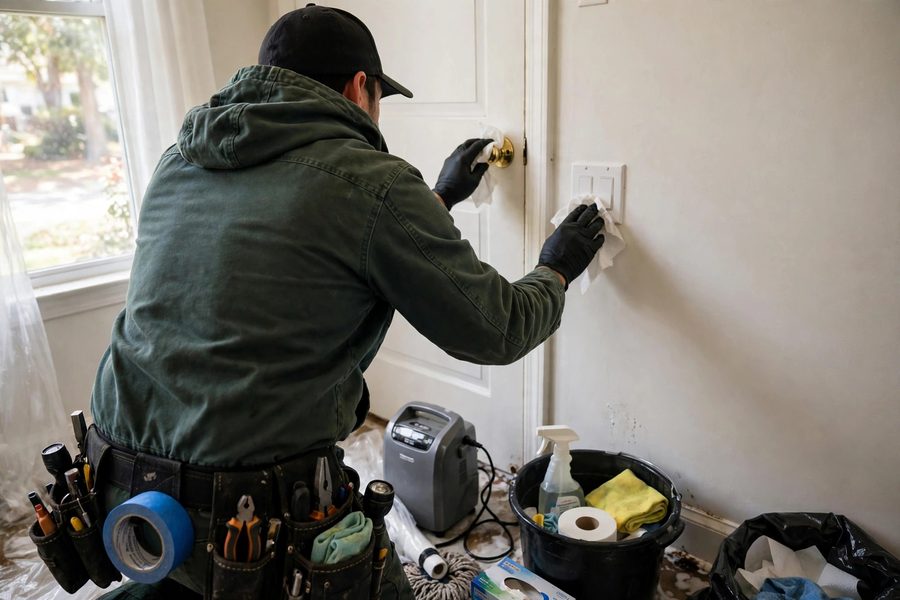
Sewage Backup Cleanup
For River Side and Corridor Sections homes, sewage Backup Cleanup is priced from the pattern this city keeps repeating: prairie subdivisions on flat grades take storm water at the foundation line when the retention ponds peak, sump pumps in the fast built stock cycle out years early from constant groundwater, and finished basements across the townhome corridors wick moisture through the shared walls. DuPage River sets the conditions, and the scope names them in writing before work starts.
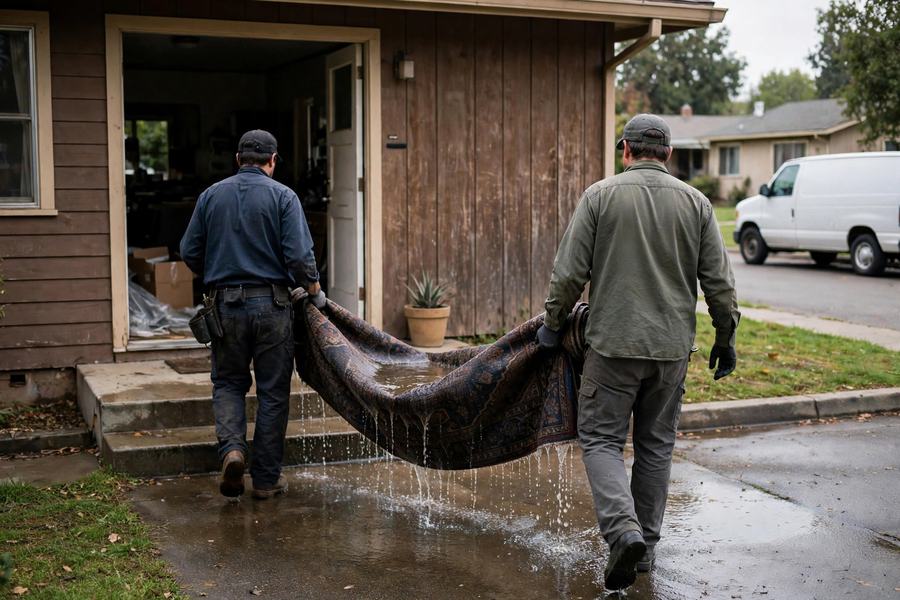
Water Damage Restoration
In Plainfield, the water Damage Restoration scope follows the evidence: flat grade storm water at foundations, early sump burnout, and shared wall basement moisture drive the call pattern, and the stock it serves is village center farm era homes, prairie subdivisions, and corridor townhomes. Diagnosis first, then a written scope, then work: that order does not change by neighborhood.
Structural Drying questions, answered
When is structural drying an emergency?
Drying is rarely the emergency itself, but the clock matters: the longer framing stays above dry standard, the higher the mold and rot risk. If a leak happened this week, this week is when drying should start.
What affects the price of structural drying in Plainfield?
The main price factors for structural drying are covered in the cost section above. The contractor confirms the exact price in a written estimate after seeing the job, and nothing is owed until you approve it. The call and the referral are free.
Does insurance usually cover water damage in Plainfield?
In Plainfield, the local record frames the answer: flat grade storm water at foundations, early sump burnout, and shared wall basement moisture drive the call pattern. Slow seepage is the exclusion adjusters reach for, so dated photographs from the day you found it matter. Homes here are village center farm era homes, prairie subdivisions, and corridor townhomes, and around Village Center Sections that stock decides how the work is sequenced. Keep the documentation together from the first visit: photographs, the itemized scope you approved, and the records the job produces in Plainfield.
How fast should drying start after water gets in?
The same day for standing water, and within the first day for wet assemblies. Mold timing starts when material gets wet, not when the crew arrives, which is why early extraction shrinks the whole scope.
How much does water damage restoration cost in Plainfield?
In Plainfield, the local record frames the answer: flat grade storm water at foundations, early sump burnout, and shared wall basement moisture drive the call pattern. Drying a clean water room and restoring a soaked finished level are different jobs. Homes here are village center farm era homes, prairie subdivisions, and corridor townhomes, and around Village Center Sections that stock decides how the work is sequenced. Keep the documentation together from the first visit: photographs, the itemized scope you approved, and the records the job produces in Plainfield.
Request a callback
Prefer to talk later? Leave your details and an independent local pro will call you back. No charge to you, no obligation.
DuPage River Restoration is a free referral service. Submitting this form connects you with independent local contractors who provide the work.