Home · Services · Flood Cleanup
Flood Cleanup in Plainfield, IL
Quick answer
In Plainfield, flood Cleanup is scoped from the documented read, not a phone guess: prairie subdivisions on flat grades take storm water at the foundation line when the retention ponds peak, sump pumps in the fast built stock cycle out years early from constant groundwater, and finished basements across the townhome corridors wick moisture through the shared walls. Around Prairie Subdivision Sections, the written scope names the order of work for village center farm era homes, prairie subdivisions, and corridor townhomes before anyone commits to a price.
Flood Cleanup in Plainfield starts with the local read: farm era homes near the historic village center, fast built subdivisions across the prairie sections, townhome stock along the commuter corridors, and newer homes toward the river side edges. The DuPage River side of the service area and the city's cold winters, humid summers, and heavy spring storm seasons on the prairie set the order of work, and the scope names that order in writing before anyone commits to a price.
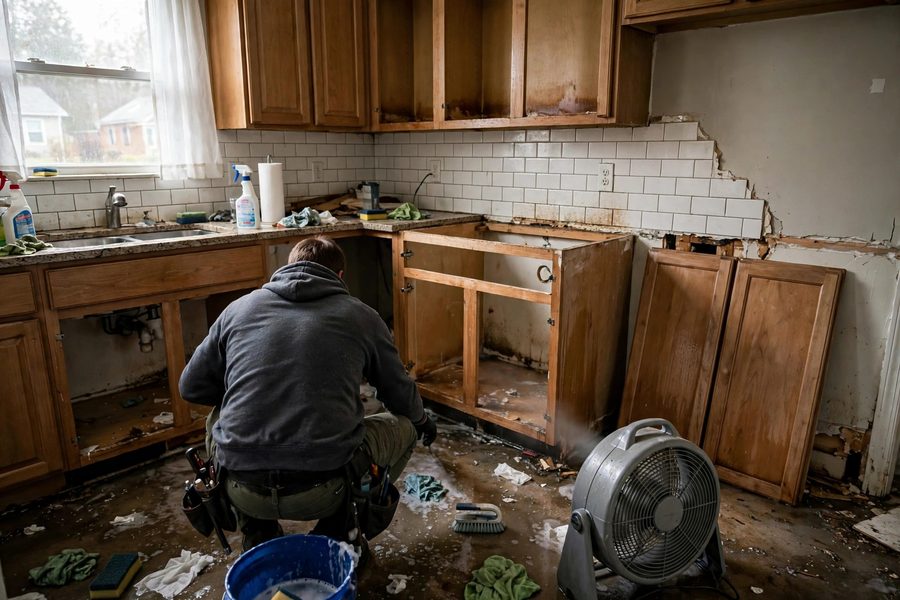
How we approach this job
Diagnosis and insurance documentation: For flood cleanup in Plainfield, the buying situation is a problem with a cause: find the real source, document it with photographs and readings for any claim, and only then price the fix.
Signs you need flood cleanup
- Mud, silt, or debris lines inside the home after water recedes. It usually means outside water is treated as contaminated until an assessment says otherwise.
- A sewage or chemical smell in flood-affected rooms. It usually means the entry lines and the wall base hold moisture after the rooms look dry.
- Saturated belongings, flooring, and lower drywall. It usually means the cleanup and the drying are one job, not two purchases.
- Floodwater reached wall outlets or the furnace/AC air handler. It usually means electrical and HVAC equipment that took floodwater is evaluated before it is energized or run, every time.
What the job involves
What affects the price
- Depth the water reached (drywall cuts are priced by height and linear feet)
- Number of rooms and amount of debris/silt
- Whether HVAC, electrical, or appliances were submerged (separate trades may be needed)
- Days of drying equipment
When it is an emergency
Floodwater is contaminated water: do not wade in it without protection, do not run a furnace that was submerged, and do not wait for it to 'dry on its own' - framing stays wet long after surfaces feel dry.
PLACEHOLDERFlood Cleanup across the Plainfield area
Related services
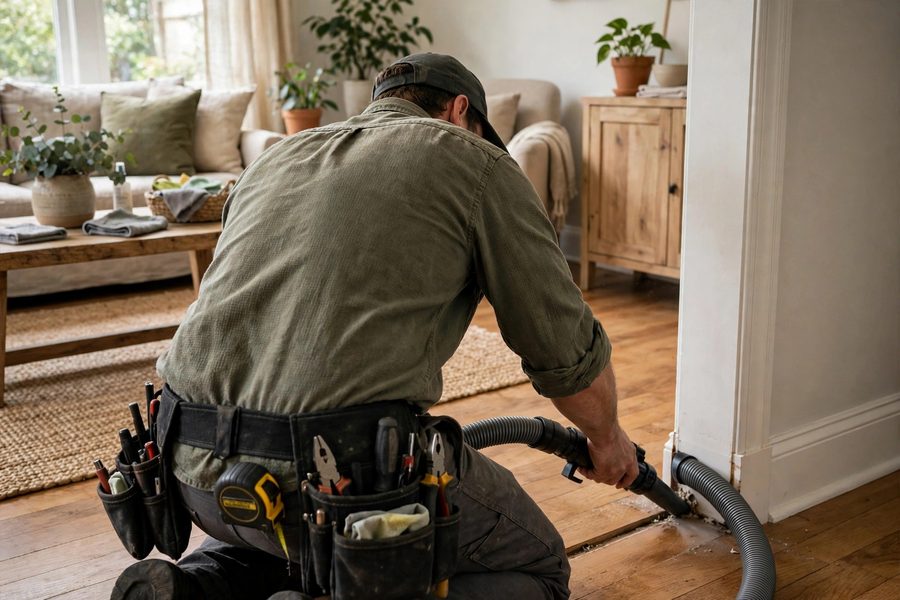
Emergency Water Removal
Emergency Water Removal in Plainfield starts where the record points: homes here are village center farm era homes, prairie subdivisions, and corridor townhomes, and flat grade storm water at foundations, early sump burnout, and shared wall basement moisture drive the call pattern. The scope for the Village Center Sections side of the service area is written from that read, in that order.
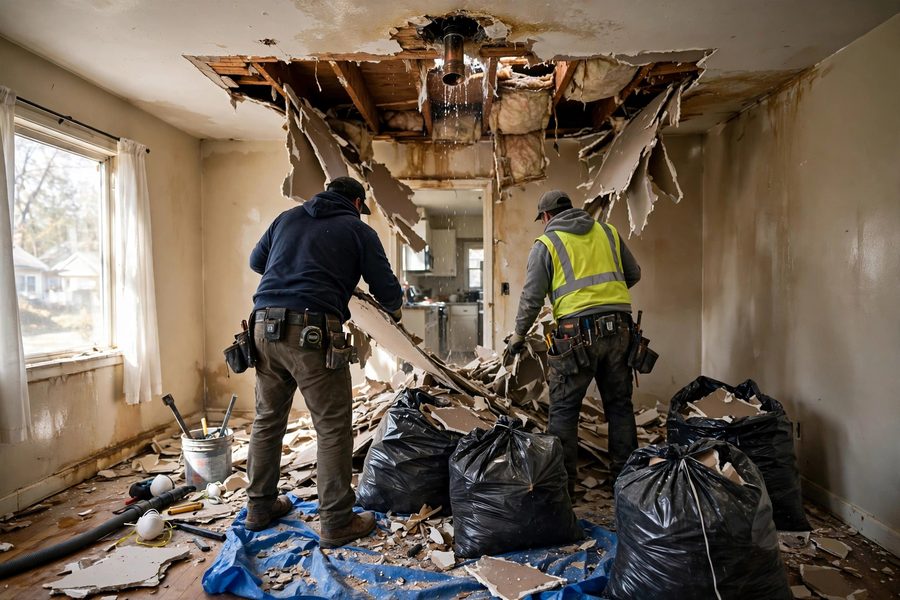
Burst Pipe Water Cleanup
The Plainfield read on burst Pipe Water Cleanup runs through the local stock first: farm era homes near the historic village center, fast built subdivisions across the prairie sections, townhome stock along the commuter corridors, and newer homes toward the river side edges. With cold winters, humid summers, and heavy spring storm seasons on the prairie, the order of work is set before price, and the written scope names that order.
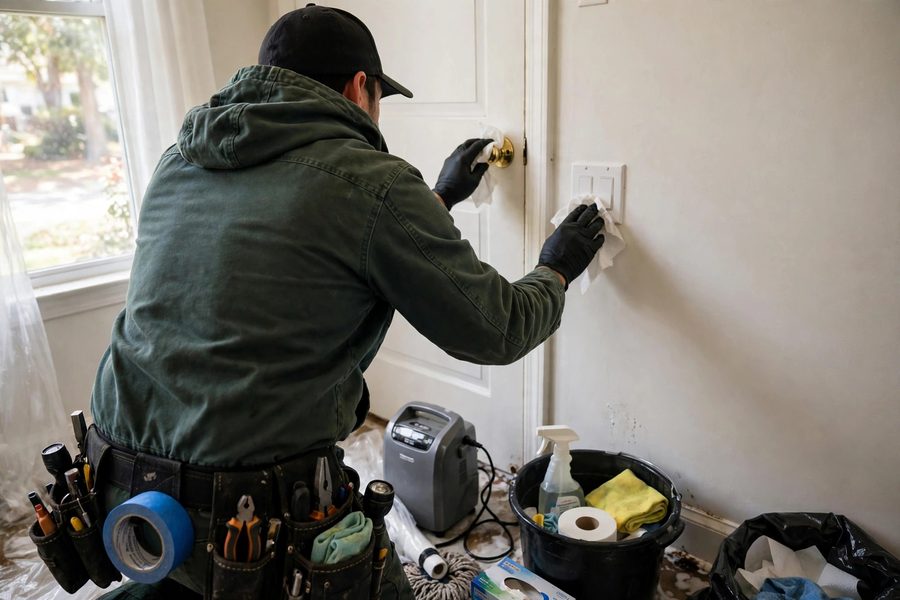
Sewage Backup Cleanup
For River Side and Corridor Sections homes, sewage Backup Cleanup is priced from the pattern this city keeps repeating: prairie subdivisions on flat grades take storm water at the foundation line when the retention ponds peak, sump pumps in the fast built stock cycle out years early from constant groundwater, and finished basements across the townhome corridors wick moisture through the shared walls. DuPage River sets the conditions, and the scope names them in writing before work starts.
Water Damage Restoration
In Plainfield, the water Damage Restoration scope follows the evidence: flat grade storm water at foundations, early sump burnout, and shared wall basement moisture drive the call pattern, and the stock it serves is village center farm era homes, prairie subdivisions, and corridor townhomes. Diagnosis first, then a written scope, then work: that order does not change by neighborhood.
Flood Cleanup questions, answered
When is flood cleanup an emergency?
Floodwater is contaminated water: do not wade in it without protection, do not run a furnace that was submerged, and do not wait for it to 'dry on its own' - framing stays wet long after surfaces feel dry.
What affects the price of flood cleanup in Plainfield?
The main price factors for flood cleanup are covered in the cost section above. The contractor confirms the exact price in a written estimate after seeing the job, and nothing is owed until you approve it. The call and the referral are free.
How much does water damage restoration cost in Plainfield?
In Plainfield, the local record frames the answer: flat grade storm water at foundations, early sump burnout, and shared wall basement moisture drive the call pattern. Drying a clean water room and restoring a soaked finished level are different jobs. Homes here are village center farm era homes, prairie subdivisions, and corridor townhomes, and around Village Center Sections that stock decides how the work is sequenced. Keep the documentation together from the first visit: photographs, the itemized scope you approved, and the records the job produces in Plainfield.
Can I dry water damage myself with fans and a shop vac?
A small clean water spill on a hard floor, yes, with airflow and a dehumidifier. Water in a crawl space, sewage, or water inside walls, no: material that feels dry on the surface stays wet inside the assembly, which is a mold scope later.
Will there be mold after water damage?
Mold needs moisture, food (drywall paper, dust, wood), and time. Fast extraction and verified drying remove the moisture leg, which is why speed matters more than any spray. If a loss sat for days before drying, the contractor will check cavities and can tell you plainly what they find.
Request a callback
Prefer to talk later? Leave your details and an independent local pro will call you back. No charge to you, no obligation.
DuPage River Restoration is a free referral service. Submitting this form connects you with independent local contractors who provide the work.