Home · Services · Roof Leak Water Damage
Roof Leak Water Damage in Plainfield, IL
Quick answer
In Plainfield, roof Leak Water Damage is scoped from the documented read, not a phone guess: prairie subdivisions on flat grades take storm water at the foundation line when the retention ponds peak, sump pumps in the fast built stock cycle out years early from constant groundwater, and finished basements across the townhome corridors wick moisture through the shared walls. Around Village Center Sections, the written scope names the order of work for village center farm era homes, prairie subdivisions, and corridor townhomes before anyone commits to a price.
Roof Leak Water Damage in Plainfield starts with the local read: farm era homes near the historic village center, fast built subdivisions across the prairie sections, townhome stock along the commuter corridors, and newer homes toward the river side edges. The DuPage River side of the service area and the city's cold winters, humid summers, and heavy spring storm seasons on the prairie set the order of work, and the scope names that order in writing before anyone commits to a price.
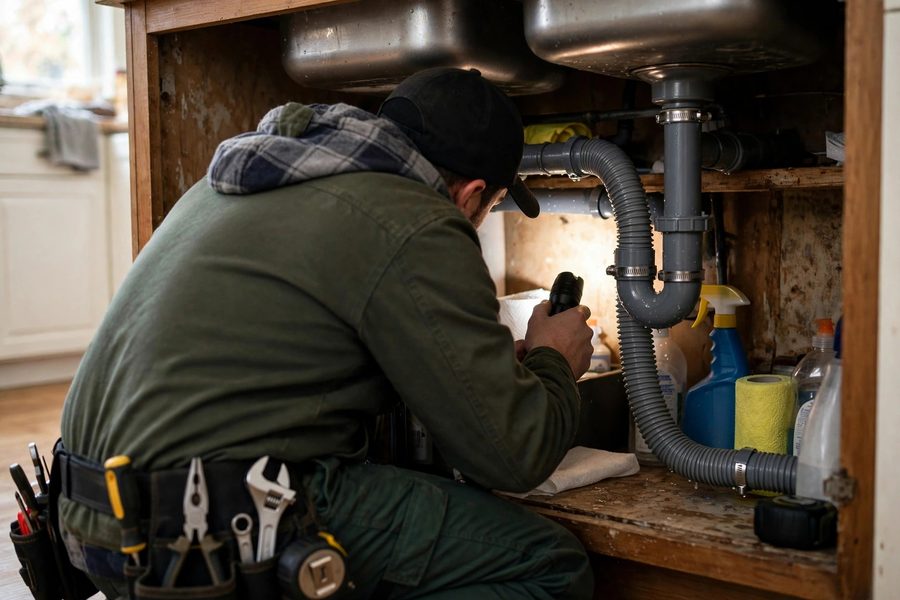
How we approach this job
Diagnosis and insurance documentation: For roof leak water damage in Plainfield, the buying situation is a problem with a cause: find the real source, document it with photographs and readings for any claim, and only then price the fix.
Signs you need roof leak water damage
- Dripping from a light fixture or ceiling seam during storms. It usually means roof entry and overhead plumbing are both live suspects until the attic read.
- Wet attic insulation or a musty attic smell. It usually means wet insulation and ceiling material are part of the water scope, not the roofer's.
- Peeling paint on top-floor walls after wind-driven rain. It usually means wind is pushing water through a detail that sheds ordinary rain; the leak path is pressure specific.
- Ceiling stains that grow after rain. It usually means the stain is rooms away from the entry more often than not.
What the job involves
What affects the price
- How many storms the leak survived before being found
- Attic access and insulation depth
- Ceiling material (plaster vs. drywall) and room count
- Whether framing shows early mold growth
When it is an emergency
Water through a ceiling near light fixtures or a ceiling that is bulging downward is an emergency: keep clear of the room, cut power if you can do it safely, and call.
PLACEHOLDERRoof Leak Water Damage across the Plainfield area
Related services
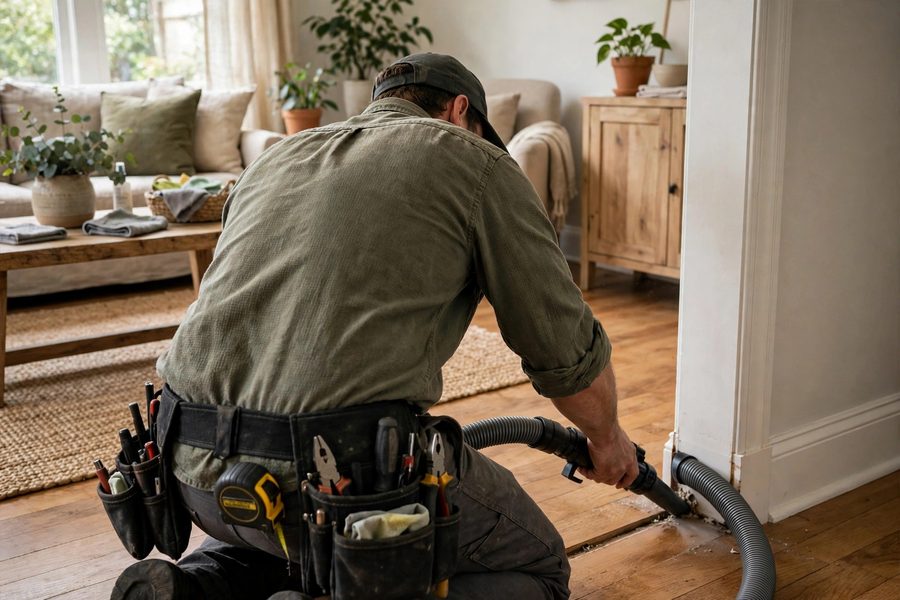
Emergency Water Removal
Emergency Water Removal in Plainfield starts where the record points: homes here are village center farm era homes, prairie subdivisions, and corridor townhomes, and flat grade storm water at foundations, early sump burnout, and shared wall basement moisture drive the call pattern. The scope for the Village Center Sections side of the service area is written from that read, in that order.
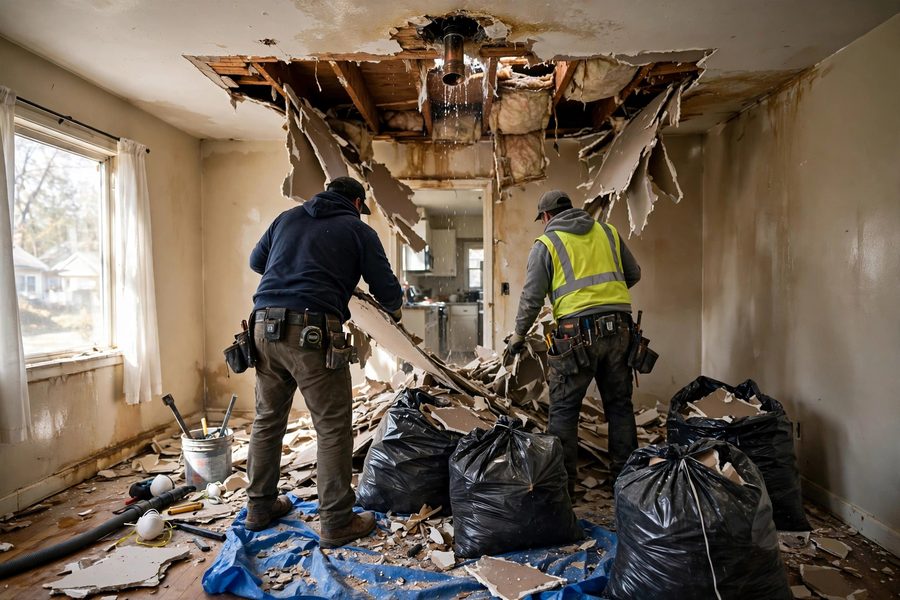
Burst Pipe Water Cleanup
The Plainfield read on burst Pipe Water Cleanup runs through the local stock first: farm era homes near the historic village center, fast built subdivisions across the prairie sections, townhome stock along the commuter corridors, and newer homes toward the river side edges. With cold winters, humid summers, and heavy spring storm seasons on the prairie, the order of work is set before price, and the written scope names that order.
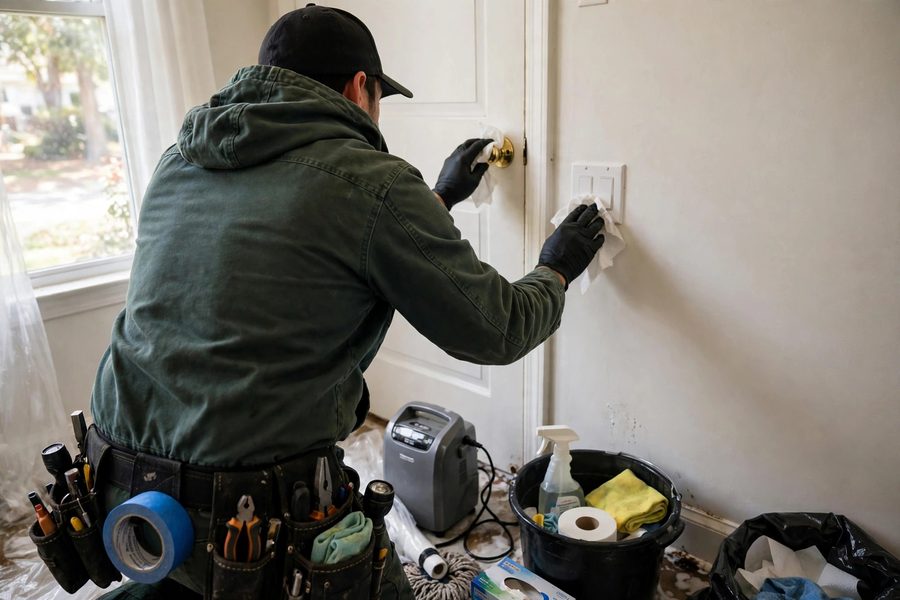
Sewage Backup Cleanup
For River Side and Corridor Sections homes, sewage Backup Cleanup is priced from the pattern this city keeps repeating: prairie subdivisions on flat grades take storm water at the foundation line when the retention ponds peak, sump pumps in the fast built stock cycle out years early from constant groundwater, and finished basements across the townhome corridors wick moisture through the shared walls. DuPage River sets the conditions, and the scope names them in writing before work starts.
Water Damage Restoration
In Plainfield, the water Damage Restoration scope follows the evidence: flat grade storm water at foundations, early sump burnout, and shared wall basement moisture drive the call pattern, and the stock it serves is village center farm era homes, prairie subdivisions, and corridor townhomes. Diagnosis first, then a written scope, then work: that order does not change by neighborhood.
Roof Leak Water Damage questions, answered
When is roof leak water damage an emergency?
Water through a ceiling near light fixtures or a ceiling that is bulging downward is an emergency: keep clear of the room, cut power if you can do it safely, and call.
What affects the price of roof leak water damage in Plainfield?
The main price factors for roof leak water damage are covered in the cost section above. The contractor confirms the exact price in a written estimate after seeing the job, and nothing is owed until you approve it. The call and the referral are free.
What should I do first when I find water in my home?
Stop the source if you can do it safely, keep people and pets out of any sewage water, photograph every room and the crawl space access before moving anything, and call. The undisturbed record is what the scope and any claim both stand on.
My Plainfield home has original and updated plumbing mixed. Why does the crew care?
Because a mixed system fails at its joints between eras, and a burst in one era is evidence about the others. The crew's era map, which lines are original galvanized or early copper, which were renewed, and where they meet, turns a spot repair into an honest scope and tells you which remaining section is the next risk.
The sewer backed up and the crew mentioned roots and clay. Is that a Plainfield thing?
It is a planned-era thing. Plainfield's laterals went in with the houses in the 1950s, many in clay sections, under parkway trees planted at the same time. Seventy years on, roots at the joints are the standing condition on the older streets, and a camera run is how the cleanup and the prevention plan end up in the same file.
Request a callback
Prefer to talk later? Leave your details and an independent local pro will call you back. No charge to you, no obligation.
DuPage River Restoration is a free referral service. Submitting this form connects you with independent local contractors who provide the work.